Showing posts with label skin. Show all posts

Monday, December 17, 2018

Test Frequency in the A&P Course | TAPP Episode 33


0:41 | Hair color inheritance
7:07 | Sponsored by AAA
7:21 | Building body maps
10:14 | Preview episodes
11:39 | Sponsored by HAPS
12:11 | Featured: Test frequency in the A&P course

If you cannot see or activate the audio player click here.
Questions & Feedback: 1-833-LION-DEN (1-833-546-6336)
Follow The A&P Professor on Twitter, Facebook, Blogger, Nuzzel, Tumblr, or Instagram!

Every science begins as philosophy and ends as art. (Will Durant)

1 | Hair color inheritance

3.5 minutes
New information about the inheritance of red hair shows that there's a lot more to it than just having two copies of the red-hair version of the gene MC1R. A lot more. Maybe its not just polygenic, but perhaps omnigenic.
  • Hair colour gene study sheds new light on roots of redheads' locks (summary of the update) my-ap.us/2zYXkeL
  • Genome-wide study of hair colour in UK Biobank explains most of the SNP heritability (the research article in Nature Communications) my-ap.us/2zWWIpU
 red-haired boy


2 | Sponsored by AAA

0.5 minute
The searchable transcript for this episode, as well as the captioned audiogram of this episode, are sponsored by The American Association of Anatomists (AAA) at anatomy.org

 American Association of Anatomists


3 | Building body maps

3 minutes
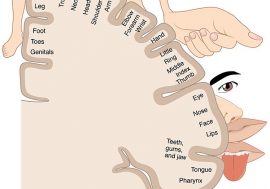
It turns out that all that kicking inside the uterus during the last trimester of pregnancy has a role in the mapping of our body in the somatosensory cortex.
  • Babies kicking in the womb are creating a map of their bodies (summary of the update; includes videos) my-ap.us/2A0t8jv
  • Newborn babies' brain responses to being touched on the face measured for the first time (some related news) my-ap.us/2zWX3ZI
  • Developmental trajectory of movement-related cortical oscillations during active sleep in a cross-sectional cohort of pre-term and full-term human infants (the research article in Scientific Reports) my-ap.us/2A0lcib
 Sensory homunculus


4 | Preview episodes

1.5 minutes
If you haven't been listening to the preview episodes released shortly before each full episode, try them out! Then let me know what you think.


5 | Sponsored by HAPS

0.5 minutes
The Human Anatomy & Physiology Society (HAPS) is a sponsor of this podcast. Did you know there's a one-day regional HAPS conference in March? Check it out. You can help appreciate their support by clicking the link below and checking out the many resources and benefits found there.
Anatomy & Physiology Society  |  theAPprofessor.org/haps
 HAPS logo

6 | Test frequency in the A&P course

13.5 minutes
Listener Krista Rompolski calls in and asks Kevin for his opinion on the best frequency of tests for the undergraduate A&P course.
Here are some previous episodes outlining Kevin's testing practices (and why he does it that way):
Here's the episode in which The Learning Scientists talk about the value of retrieval practice

tests & exams
If the hyperlinks here are not active, go to TAPPradio.org to find the episode page.
Amazon referrals help defray podcasting expenses.

Transcript and captions for this episode are supported by the American Association of Anatomists.anatomy.org

The Human Anatomy & Physiology Society also provides support for this podcast.theAPprofessor.org/haps

(Clicking on sponsor links helps let them know you appreciate their support of this podcast!)

Click here to listen to this episode—or access the detailed notes and transcript.

Monday, November 19, 2018

The Elephant Episode | TAPP Episode 31


0:41 | Homework!
2:03 | Netrin and memory
6:47 | Sponsored by HAPS
7:04 | Featured: Elephants and skin
23:29 | Sponsored by AAA
If you cannot see or activate the audio player click here.
Follow The A&P Professor on Twitter, Facebook, Blogger, Nuzzel, Tumblr, or Instagram!
People are so difficult. Give me an elephant any day. (Mark Shand)

1 | Homework! 1.5 minutes
Don't forget your homework assignments:
  1. Share this podcast with ONE other A&P colleague before the next episode arrives. Yes, I do accept late homework.
  2. Have questions, comments, stories, or ideas related to accommodating student needs? Pass them along for a future episode focused on this topic.
1·833·LION·DEN
(1·833·546·6336)
podcast@theAPprofessor.org (you can attach a sound file if you like! you get double extra credit if you do!)
 listen. learn. share.

2 | Netrin and memory 4.5 minutes
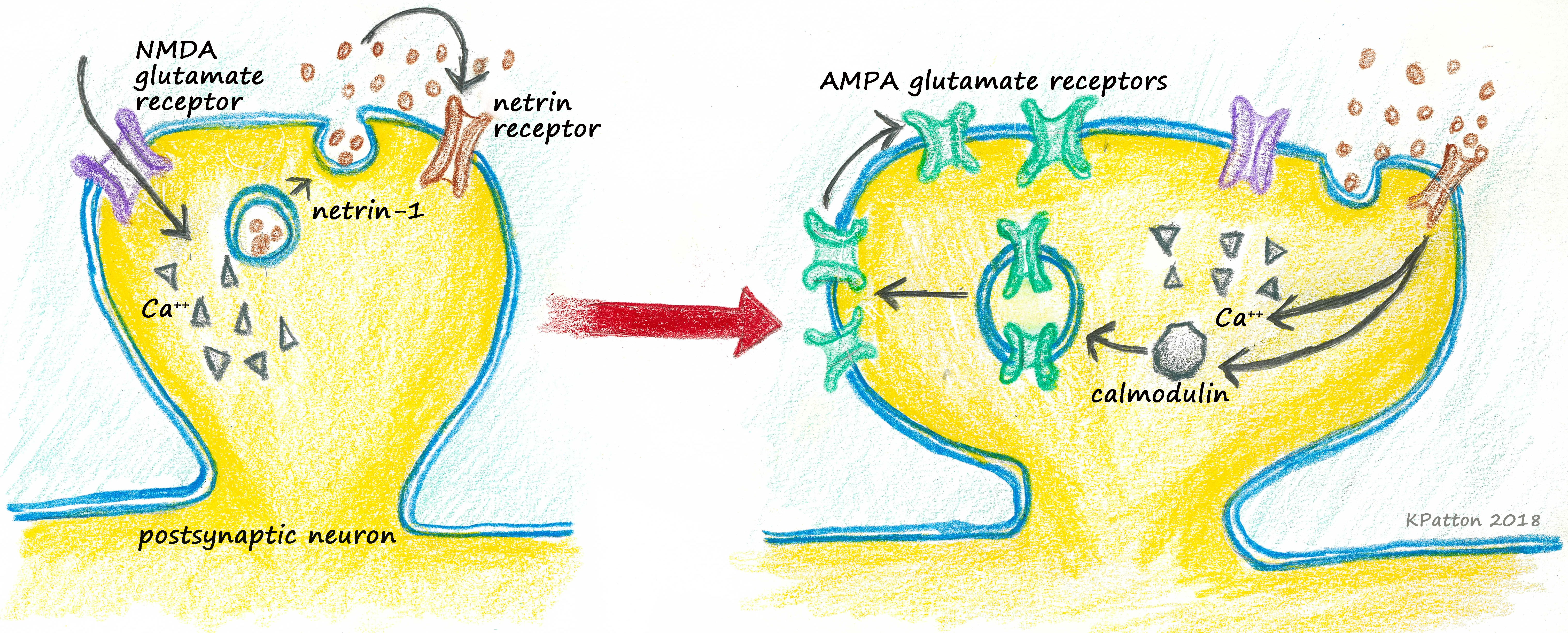
New information about how memories form at synapses in the hippocampus tells us that netrin-1 is involved. (Click on the image to see details (you can use this image in your teaching, if you dare).
 netrin mechanisms

3 | Sponsored by HAPS 0.5 minutes
The Human Anatomy & Physiology Society (HAPS) is a sponsor of this podcast. Did you know there's a reduced "early bird" registration rate for the annual HAPS confercnce in Portland OR next May? Check it out. You can help appreciate their support by clicking the link below and checking out the many resources and benefits found there.
Anatomy & Physiology Society  |  theAPprofessor.org/haps
 HAPS logo

4 | Elephants and skin 16.5 minutes
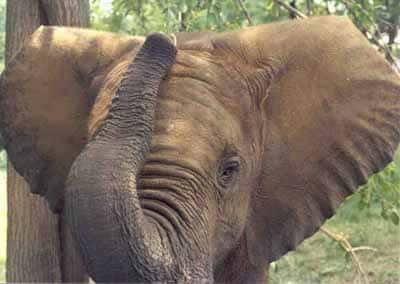
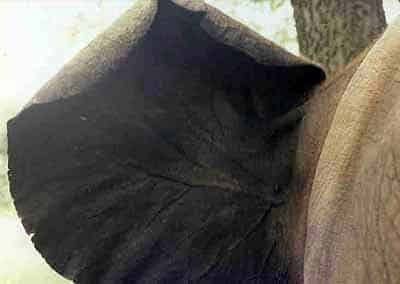
Kevin's experience in zoos, circuses, and on safari in Africa form the basis of some elephant stories he tells in his A&P courses to emphasize some concepts of the integumentary system. In this episode, he shares some elephant research updates, then goes into how elephant skin can help us better understand the thermoregulatory function of human skin. The images show Kevin (on ground in dark suit) and his elephant friend Flora, the retired namesake of Circus Flora. The anterior and posterior sides of Flora's ears pictured are referred to in Kevin' stories (you may use these images in your teaching with attribution).


5 | Sponsored by AAA 0.5 minute
The searchable transcript for this episode, as well as the captioned audiogram of this episode, are sponsored by The American Association of Anatomists (AAA) at anatomy.org
American Association of Anatomists

If the hyperlinks here are not active, go to TAPPradio.org to find the episode page.
Amazon referrals help defray podcasting expenses.

Transcript and captions for this episode
are supported by the
American Association of Anatomists.


The Human Anatomy & Physiology Societyalso provides support for this podcast.
(Clicking on sponsor links helps let them know you appreciate their support of this podcast!)

Click here to listen to this episode—or access the detailed notes and transcript.

Friday, January 2, 2015

Fat Cells in Skin Kill Bacteria


Scientists reported today that adipocytes in mouse and human skin produce an antimicrobial peptide (AMP) called cathelicidin is response to Staph aureus infections, including MRSA. Experimental animals that were deficient in the AMP were more susceptible to skin infections.

Adipocytes may recognize S. aureus by detecting bacterial peptides with toll-like receptors (TLRs), but more work is needed to fully understand the mechanisms.

This finding adds more to our understanding of human skin as a vital part of our body's defenses against infection. It also opens the door to understanding how diabetes, metabolic syndrome, and other conditions can reduce resistance to skin infections by altering the availability of AMPs in the fat associated with skin.

All of this may eventually lead to additional—perhaps more effective—strategies in preventing or curing serious skin infections such as MRSA.

I realize that we generally think of fat cells as belonging to the hypodermis, not the dermis, as described in the research. However, recent evidence shows the presence of adipocytes in the dermis that are distinct from those in the hypodermis. These adipocytes derive from a common precursor cell that produces both dermal fibroblasts and intradermal adipocytes. These dermal adipocytes have been shown to have a role in wound healing and the regeneration of hair follicles. And the research summarized here suggests that they also have a role in immunity.


What can we use from this in teaching undergraduate A&P?

  • Mention this discovery when discussing the roles of adipose tissue and adipocytes in your coverage of tissues of the body.

    • Consider clarifying that dermal adipocytes are distinct from fat cells in the hypdermis. And perhaps mention that it's a detail often left out of introductory discussions of skin.

  • This is a good point to mention when discussing the protective functions of the skin when covering the integumentary system.

  • When discussing the immune system, this concept helps illustrate several important principles:

    • The role of the skin as the first line of defense against infection

      • The variety of mechanisms available in the skin to act defensively

    • The role of TLRs and pattern recognition in immunity

    • The fact that immunity is a role for many tissues—not just lymphocytes and other WBCs

  • Take a moment NOW to add this to your course notes!

Want to know more?


Killer Fat
  • J. Alcorn and J. Kolls. Science 2 January 2015: Science Vol. 347 no. 6217 pp. 26-27 DOI: 10.1126/science.aaa4567
  • Editorial summary of the research in plain English. Includes a really nice, simple illustration of the concept (includes FREE teaching slide)
  • my-ap.us/1vBWbNP

Dermal adipocytes protect against invasive Staphylococcus aureus skin infection
  • L. Zhang1, et al. Science 2 January 2015: Vol. 347 no. 6217 pp. 67-71 DOI: 10.1126/science.126097
  • Original research article. Additional images available here, including some nice micrographs showing increase in adipocytes in response to S. aureus infection
  • my-ap.us/1xePNS4

Defining dermal adipose tissue.
  • Driskell RR, et al. Exp Dermatol. 2014. Exp Dermatol. 2014 Sep;23(9):629-31. doi: 10.1111/exd.12450.
  • Review article describing dermal adipocytes.
  • my-ap.us/1GuH3bL

FREE teaching slide
Click the image
to download a


Adipose image credit: my-ap.us/13MYGWO
This post was updated 6 OCT 2015

Monday, February 11, 2013

Finger wrinkles

You know that dramatically wrinkling that occurs when your fingers and and toes get wet?

The classic explanation has been that such wrinkling is caused by osmosis.  But if you think about it, why does it occur only on the palmar and plantar skin surfaces?  My face doesn’t wrinkle when it’s wet.  Well, OK, my face is always a bit wrinkled—wet or not.

Some scientists are now thinking that this is not an osmotic effect but, instead, a nervous response to wetness.  According to this latest theory, such a response helps us avoid slipping and injuring ourselves in wet conditions.  It would also improve our ability to make and use tools under a variety of conditions.

Want to know more?

  • Pruney digits help people get a grip: Wrinkling may have evolved as an adaptation to wet conditions
    • Tanya Lewis 
    • Science News Web edition: January 9, 2013 Print edition: February 9, 2013; Vol.183 #3 (p. 11) 
    • [Brief article explaining the recent development in plain English.]
    • my-ap.us/XwFvGn

  • Water-induced finger wrinkles improve handling of wet objects.
    • K. Kareklas et al.
    • Biology Letters. Published online January 8, 2012.
    • [Journal article outlined proposed theory.]
    • my-ap.us/WbV5K9

  • For ancient hominids, thumbs up on precision grip.
    • B. Bower  
    • Science News, Vol. 177, May 8, p. 15. 
    • [Brief related article on evolution of human grip.]
    • my-ap.us/11zYCYt

  • Fingerprints filter the vibrations fingers feel
    • L. Sanders.
    • Science News, Vol. 175, February 28, p. 10
    • [Brief related article on sensory function of human epidermal friction ridges.]
    • my-ap.us/YksrEP

Tuesday, November 27, 2012

Joseph Murray, transplant pioneer


Yesterday, the scientific community lost a true pioneer . . . Joseph Murray, who pioneered skin grafting and developed the first successful organ transplant.  In 1954, he transplanted a kidney from one adult twin to his identical sibling.  He continued to pioneer transplant techniques that have saved countless lives.

"In the twentieth century, Joseph Murray . . . noticed that skin he grafted onto burned soldiers he treated during World War II would eventually be rejected by the body. After the war, Murray tried to understand the body’s immune reactions to transplanted tissues and his work led to the first successful kidney transplants. His breakthroughs in transplanting kidneys not only earned him a Nobel Prize in 1990, it also paved the way for all the different types of tissue and organ transplantation that we see today."

93-year-old Joseph E. Murray suffered a stroke on Thanksgiving day and died yesterday in Boston.

I think the occasional story of a pioneer in the history of human science adds a lot to the A&P course.  Such stories give a human dimension to the pursuit of science and provide the context needed for students to understand how we know what we know.

Today we have a sad but important occasion to bring up the amazing accomplishments of Joseph E. Murray with our students.

Want to know more?
  • Joseph E. Murray, Transplant Doctor and Nobel Prize Winner, Dies at 93
    • By CORNELIA DEAN
    • The New York Times Published online: November 27, 2012
    • [Obituary of Murray]
    • my-ap.us/Tjwvn7
  • Hope, Innovation: Remembering A Transplant Pioneer
    • Renee Montagne
    • National Public Radio (NPR) Morning Edition Broadcast/published online November 27, 2012
    • [Renee Montagne talks with Dr. Atul Gawande about the life and work of Dr. Joseph E. Murray, who performed the first successful organ transplant in 1954. Murray died Monday at age 93.]
    • Text my-ap.us/SbAjZ3
    • Audio[4 min 15 sec] my-ap.us/QJLI5n
http://my-ap.us/QJLI5n
  • Interview with Joseph E. Murray
    • Nobel Web (nobelprize.org) Accessed 27 November 2012
    • [Interview with Joseph E. Murray by Sten Orrenius at the meeting of Nobel Laureates in Lindau, Germany, June 2000. Joseph Murray talks about what led him into research; developing transplantation medicine (2:38); and whether breakthroughs in clinical research are often ignored by the Nobel Prize Committee (13:10).]
    • my-ap.us/Y1v8Ro
  • Nobel Lecture by Joseph E. Murray
    • Nobel Web (nobelprize.org) Accessed 27 November 2012
    • [Joseph E. Murray held his Nobel Lecture on 8 December 1990, at Karolinska Institutet, Stockholm. He was presented by Professor Hans Wigzell of the Karolinska Institutet.]
    • my-ap.us/QomBDI

Related textbook content
  • Anatomy & Physiology 8th ed.  p. 754, 767, 772-773, 996, A&P Connect: The Nobel Legacy my-ap.us/QZTbK1
  • The Human Body in Health and Disease 5th ed. p. 94-95, 154 my-ap.us/fNN00N 


Monday, October 3, 2011

Dendritic cell pioneers win Nobel Prize

The Nobel Assembly at Karolinska Institutet has today decided that

The Nobel Prize in Physiology or Medicine 2011
shall be divided, with one half jointly to
Bruce A. Beutler and Jules A. Hoffmann
for their discoveries concerning the activation of innate immunity
and the other half to
Ralph M. Steinman
for his discovery of the dendritic cell and its role in adaptive immunity


Summary

This year's Nobel Laureates have revolutionized our understanding of the immune system by discovering key principles for its activation.
Scientists have long been searching for the gatekeepers of the immune response by which man and other animals defend themselves against attack by bacteria and other microorganisms. Bruce Beutler and Jules Hoffmann discovered receptor proteins that can recognize such microorganisms and activate innate immunity, the first step in the body's immune response. Ralph Steinman discovered the dendritic cells of the immune system and their unique capacity to activate and regulate adaptive immunity, the later stage of the immune response during which microorganisms are cleared from the body.
The discoveries of the three Nobel Laureates have revealed how the innate and adaptive phases of the immune response are activated and thereby provided novel insights into disease mechanisms. Their work has opened up new avenues for the development of prevention and therapy against infections, cancer, and inflammatory diseases.

Two lines of defense in the immune system

We live in a dangerous world. Pathogenic microorganisms (bacteria, virus, fungi, and parasites) threaten us continuously but we are equipped with powerful defense mechanisms (please see image below). The first line of defense, innate immunity, can destroy invading microorganisms and trigger inflammation that contributes to blocking their assault. If microorganisms break through this defense line, adaptive immunity is called into action. With its T and B cells, it produces antibodies and killer cells that destroy infected cells. After successfully combating the infectious assault, our adaptive immune system maintains an immunologic memory that allows a more rapid and powerful mobilization of defense forces next time the same microorganism attacks. These two defense lines of the immune system provide good protection against infections but they also pose a risk. If the activation threshold is too low, or if endogenous molecules can activate the system, inflammatory disease may follow.
The components of the immune system have been identified step by step during the 20th century. Thanks to a series of discoveries awarded the Nobel Prize, we know, for instance, how antibodies are constructed and how T cells recognize foreign substances. However, until the work of Beutler, Hoffmann and Steinman, the mechanisms triggering the activation of innate immunity and mediating the communication between innate and adaptive immunity remained enigmatic.

Discovering the sensors of innate immunity

Jules Hoffmann made his pioneering discovery in 1996, when he and his co-workers investigated how fruit flies combat infections. They had access to flies with mutations in several different genes including Toll, a gene previously found to be involved in embryonal development by Christiane Nüsslein-Volhard (Nobel Prize 1995). When Hoffmann infected his fruit flies with bacteria or fungi, he discovered that Toll mutants died because they could not mount an effective defense. He was also able to conclude that the product of the Toll gene was involved in sensing pathogenic microorganisms and Toll activation was needed for successful defense against them.
Bruce Beutler was searching for a receptor that could bind the bacterial product, lipopolysaccharide (LPS), which can cause septic shock, a life threatening condition that involves overstimulation of the immune system. In 1998, Beutler and his colleagues discovered that mice resistant to LPS had a mutation in a gene that was quite similar to the Toll gene of the fruit fly. This Toll-like receptor (TLR) turned out to be the elusive LPS receptor. When it binds LPS, signals are activated that cause inflammation and, when LPS doses are excessive, septic shock. These findings showed that mammals and fruit flies use similar molecules to activate innate immunity when encountering pathogenic microorganisms. The sensors of innate immunity had finally been discovered.
The discoveries of Hoffmann and Beutler triggered an explosion of research in innate immunity. Around a dozen different TLRs have now been identified in humans and mice. Each one of them recognizes certain types of molecules common in microorganisms. Individuals with certain mutations in these receptors carry an increased risk of infections while other genetic variants of TLR are associated with an increased risk for chronic inflammatory diseases.

A new cell type that controls adaptive immunity

Ralph Steinman discovered, in 1973, a new cell type that he called the dendritic cell. He speculated that it could be important in the immune system and went on to test whether dendritic cells could activate T cells, a cell type that has a key role in adaptive immunity and develops an immunologic memory against many different substances. In cell culture experiments, he showed that the presence of dendritic cells resulted in vivid responses of T cells to such substances. These findings were initially met with skepticism but subsequent work by Steinman demonstrated that dendritic cells have a unique capacity to activate T cells.
Further studies by Steinman and other scientists went on to address the question of how the adaptive immune system decides whether or not it should be activated when encountering various substances. Signals arising from the innate immune response and sensed by dendritic cells were shown to control T cell activation. This makes it possible for the immune system to react towards pathogenic microorganisms while avoiding an attack on the body's own endogenous molecules.

From fundamental research to medical use

The discoveries that are awarded the 2011 Nobel Prize have provided novel insights into the activation and regulation of our immune system. They have made possible the development of new methods for preventing and treating disease, for instance with improved vaccines against infections and in attempts to stimulate the immune system to attack tumors. These discoveries also help us understand why the immune system can attack our own tissues, thus providing clues for novel treatment of inflammatory diseases.


Bruce A. Beutler was born in 1957 in Chicago, USA. He received his MD from the University of Chicago in 1981 and worked as a scientist at Rockefeller University in New York and the University of Texas in Dallas, where he discovered the LPS receptor. Since 2000 he has been professor of genetics and immunology at The Scripps Research Institute, La Jolla, USA.
Jules A. Hoffmann was born in Echternach, Luxembourg in 1941. He studied at the University of Strasbourg in France, where he obtained his PhD in 1969. After postdoctoral training at the University of Marburg, Germany, he returned to Strasbourg, where he headed a research laboratory from 1974 to 2009. He has also served as director of the Institute for Molecular Cell Biology in Strasbourg and during 2007-2008 as President of the French National Academy of Sciences.
Ralph M. Steinman was born in 1943 in Montreal, Canada, where he studied biology and chemistry at McGill University. After studying medicine at Harvard Medical School in Boston, MA, USA, he received his MD in 1968. He has been affiliated with Rockefeller University in New York since 1970, has been professor of immunology at this institution since 1988, and is also director of its Center for Immunology and Immune Diseases.


Key publications:

Poltorak A, He X, Smirnova I, Liu MY, Van Huffel C, Du X, Birdwell D, Alejos E, Silva M, Galanos C, Freudenberg M, Ricciardi-Castagnoli P, Layton B, Beutler B. Defective LPS signaling in C3H/HeJ and C57BL/10ScCr mice: Mutations in Tlr4 gene. Science 1998;282:2085-2088.
Lemaitre B, Nicolas E, Michaut L, Reichhart JM, Hoffmann JA. The dorsoventral regulatory gene cassette spätzle/Toll/cactus controls the potent antifungal response in drosophila adults. Cell 1996;86:973-983.
Steinman RM, Cohn ZA. Identification of a novel cell type in peripheral lymphoid organs of mice. J Exp Med 1973;137:1142-1162.
Steinman RM, Witmer MD. Lymphoid dendritic cells are potent stimulators of the primary mixed leukocyte reaction in mice. Proc Natl Acad Sci USA 1978;75:5132-5136.
Schuler G, Steinman RM. Murine epidermal Langerhans cells mature into potent immunostimulatory dendritic cells in vitro. J Exp Med 1985;161:526-546.

illustration High resolution image (pdf 3,6 Mb) 

The Nobel Assembly, consisting of 50 professors at Karolinska Institutet, awards the Nobel Prize in Physiology or Medicine. Its Nobel Committee evaluates the nominations. Since 1901 the Nobel Prize has been awarded to scientists who have made the most important discoveries for the benefit of mankind.

Nobel Prize® is the registered trademark of the Nobel Foundation 

The information above is taken directly from 
The 2011 Nobel Prize in Physiology or Medicine - Press Release
Nobelprize.org. 3 Oct 2011 my-ap.us/pE7zzC

Want to know more?
Immune Responses
[An animated activity from the Nobel Prize folks.] 

Find a brief explanation of dendritic cells in these textbooks:
Find FREE images and videos you can use in your course
Dendritic cells
http://my-ap.us/pkQycM

Watch a brief video on dendritic cells.

Sunday, November 8, 2009

Bacterial microbiomes on human skin

Nearly a year ago, I shared results of a study of the bacteria that live on human skin, including these fun facts:
  • Females have a higher diversity of bacteria on their hands than males . . . perhaps due to a slightly higher skin pH in women, or perhaps the mix of sebum, sweat, and lotions, or maybe even hormonal differences . . . they couldn't really say for sure at this point
  • Females have more bacteria living under the surface film of skin than males
  • 4, 742 different species of bacteria were found in the whole group of subjects
  • The species each of has on our hands is a rather unique mix--only 5 (out of 4,742) species were found on every hand in the group
  • Most of the 150 or so different species of bacteria found on skin of an individual hand are beneficial or harmless . . . only a small minority are pathogenic
  • The diversity of bacteria differs between a person's right hand and left hand
  • Hand washing (as practiced in this group) did not remove many of the bacteria (or the populations recovered rapidly after washing)
Recently, another study was published that gives us an even more complete picture of the micro-ecology of human skin.  The report, published online a few days ago by the journal Science, provides an inventory of what organisms live where on the human skin.

A few fun facts about the bacteria, viruses, and fungi of the human skin gleaned from the new study:
  • Microbes on the skin outnumber human cells by at least 10 times (about 100 trillion microbial symbionts)

  • Microbial community composition is determined primarily by habitat (well, of course!)

  • The composition of microbial communities varies widely from one person to another

  • The compostion of microbial communities for an individual human do not vary much over time

  • Some locations of the skin harbor more diverse communities than even the mouth or gut
Want to know more?
Bacterial Community Variation in Human Body Habitats Across Space and Time.
Elizabeth K. Costello, et al. 
Science Express, 5 November 2009, online .
doi: 10.1126/science.1177486
[Recent study on human flora]

Bacteria Flourish in Favorite Ecosystems on the Human Body
Laura Sanders
Science News November 5, 2009
[Nice summary of the study's importance and implications]

Variation In Bacterial Populations From Person To Person Surprises Researchers

C. Paddock
Medical News Today 6 November 2009
[Press release about the new study]

Skin Ecology
K. Patton
The A&P Professor 18 November 2008
[My previous article on the topic.  Includes links to other articles.]

Monday, August 31, 2009

Street Anatomy blog


I ran across this crazy and interesting blog the other other day and thought I'd share it with you. It's called Street Anatomy and it "obsessively covers the use of human anatomy in medicine, art, and design."

It has some fantastic, gross, insane, and interesting examples of human anatomical art that you might want to use to spice up your classroom presentation.

For example, I was looking for an example of a tattoo that I could use in my presentation on the skin and found the Street Anatomy gallery of anatomical tattoos. Check it out: http://streetanatomy.com/galleries/anatomy-tattoo-gallery/

For the latest entry in the Street Anatomy blog, go to

Tuesday, May 5, 2009

Fingerprint functions

Lamellar corpuscle
The usual explanation for the presence of fingerprints, handprints, and footprints is to enhance friction and thus improve our ability to walk upright and to make and use tools.

However, recent evidence shows that these friction ridges (epidermal ridges) may also enhance our ability to sense fine textures on surfaces.

Researchers have found that artificial ridges similar to human epidermal ridges used with an artificial sensor were able to filter vibrations produced as the ridged surface brushes over a textured surface. This "filter" permits only vibrations around 250 Hz to reach the sensor--the same vibrational frequency detected by lamellar corpuscles (Pacini corpuscles) in the skin.

So the thinking is that skin ridges enhance the function of lamellar corpuscles and thus enhance our ability to sense fine textures.

Want to know more?
Fingerprints filter the vibrations fingers feel: ridges may help make touch sensation efficient
Laura Sanders
Science News February 28th, 2009; Vol.175 #5 (p. 10)
[Summary article discusses the implications of the recent research.]


The Role of Fingerprints in the Coding of Tactile Information Probed with a Biomimetic Sensor.
J. Scheibert, S. Leurent, A. Prevost and G. Debrégeas
Science, 29 January 2009. doi: 10.1126/science.1166467
[The original research report]

Tuesday, November 18, 2008

Skin ecology


You'll likely be wanting to wash your hands after reading this.

I continue to be fascinated with the fact that we do not walk through this world alone . . . we have a host of bacteria and other tiny organisms living in us and on us. The ecological balance of these diminutive communities is crucial to our good health. In my opinion, the body's management of microbial flora is an important part of our defensive strategy against infection.

The general public is slowly becoming aware of the importance of an ecologically balanced flora in and on the body. Witness the ongoing campaigns marketing the various health benefits of the bacterial colonies in yogurt.

A new study published in the Proceedings of the National Academy of Sciences focuses on the ecology of human skin. Researchers surveyed the DNA of bacteria present on the hands of 51 male and female subjects and come up with some interesting results . . .

Here are a few interesting data discovered by the researchers:
  • Females have a higher diversity of bacteria on their hands than males . . . perhaps due to a slightly higher skin pH in women, or perhaps the mix of sebum, sweat, and lotions, or maybe even hormonal differences . . . they couldn't really say for sure at this point
  • Females have more bacteria living under the surface film of skin than males
  • 4, 742 different species of bacteria were found in the whole group of subjects
  • The species each of has on our hands is a rather unique mix--only 5 (out of 4,742) species were found on every hand in the group
  • Most of the 150 or so different species of bacteria found on skin of an individual hand are beneficial or harmless . . . only a small minority are pathogenic
  • The diversity of bacteria differs between a person's right hand and left hand
  • Hand washing (as practiced in this group) did not remove many of the bacteria (or the populations recovered rapidly after washing)
Want to know more?


The influence of sex, handedness, and washing on the diversity of hand surface bacteria
Noah Fierer, Micah Hamady, Christian L. Lauber, and Rob Knight
published 12 November 2008, 10.1073/pnas.0807920105

[This is the original article]

Hands down, women lead in diversity of bacteria
Randolph E. Schmid
The Seattle Times (online). November 4, 2008.
[Summarizes some of the results of the study.]


The Bacterial Flora of Humans
Kenneth Todar
Todar's Online Textbook of Bacteriology. University of Wisconsin-Madison. Accesseed 5 November 2008.


Scientists work at recruiting "good bugs"

Robert S. Boyd
The Seattle Times (online). November 5, 2008.
[Summarizes current research with engineered "probiotic" beneficial bacteria to treat or prevent disease; cool image of MRSA bacteria]


Click this thumbnail for a FREE image of the skin structure that you can use in your course!

More than one type of itch


I've been itching to tell you about this . . .

Science News has a great feature article (with a nice diagram) on the different senses of itch, a rapidly expanding area of physiology these days.

An added bonus is a set of links to relevant journal and magazine articles.

Itch
By Laura Sanders
Science News November 22nd, 2008; Vol.174 #11(p. 16)
[Feature article available online]