Showing posts with label endocrine. Show all posts

Monday, January 14, 2019

Big Ideas: The Essential Concepts of A&P | TAPP Episode 35


0:39 | Cholesterol & ApoB in Cardiac Risk
5:48 | How Oxytocin Works
9:49 | Sponsored by HAPS
10:11 | Smell Affects Cortisol / Stress
14:38 | Sponsored by AAA
14:52 | Featured topic 2: Big Ideas - Essential Concepts in A&P
If you cannot see or activate the audio player click here.

Questions & Feedback: 1-833-LION-DEN (1-833-546-6336)
Follow The A&P Professor on Twitter, Facebook, Blogger, Nuzzel, Tumblr, or Instagram!
The big ideas are usually simple ideas. (David Ogilvy)

1 | Cholesterol & ApoB in Cardiac Risk

5 minutes
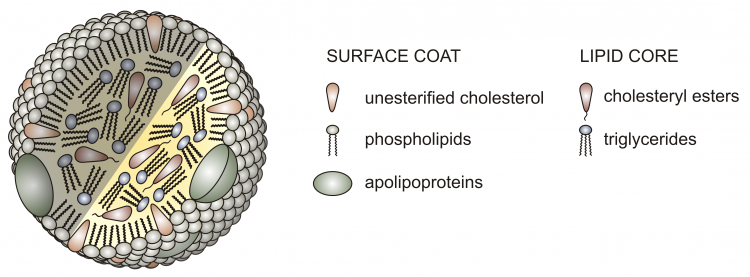
Apolipoprotein B (ApoB) is the protein part of the lipoprotein particles in our bloodstream that contain cholesterol. In primary medical care, we often measure total low-density lipoprotein (LDL) or non-high-density lipoprotein (non-HDL) to help us determine risk for cardiovascular disease. As protocols are reviewed, some believe measuring ApoB is a better measure of cardiovascular risk.

lipoprotein structure


2 | How Oxytocin Works

4 minutes
We know oxytocin (OT) promotes labor contractions of the uterine myometrium. But how? New evidences helps explain the mechanism.
  • Oxytocin can regulate myometrial smooth muscle excitability by inhibiting the Na+‐activated K+ channel, Slo2.1 (research article from The Journal of Physiology) my-ap.us/2AJsDLf
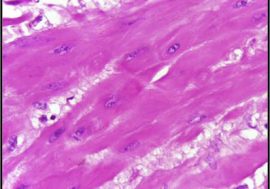
myometrium of uterus 


3 | Sponsored by HAPS

0.5 minutes
The Human Anatomy & Physiology Society (HAPS) is a sponsor of this podcast. Did you know there's a one-day regional HAPS conference in March? Check it out. You can help appreciate their support by clicking the link below and checking out the many resources and benefits found there.
Anatomy & Physiology Society 
theAPprofessor.org/haps

 HAPS logo


4 | Smell Affects Cortisol / Stress

4.5 minutes
Smells in our environment can increase or decrease blood cortisol levels, indicating modulation of our stress response. In particular, the smell of a romantic partner can reduce a woman's stress. Hmmm. Might it also reduce test anxiety? Interesting...
 smell


5 | Sponsored by AAA

0.5 minute
American Association of Anatomists
The searchable transcript for this episode, as well as the captioned audiogram of this episode, are sponsored by The American Association of Anatomists (AAA) at anatomy.org


6 | Big Ideas - Essential Concepts in A&P

11.5 minutes
When telling the story of human structure & function, we want our students to identify the "big ideas" and even just the "kinda big ideas," as well as both the "main characters" and "minor characters." By making a habit of looking for the kinda big ideas, perhaps running a concept list to collect them, students may begin to understand the essential concepts of A&P. And it may help them see the connectness of the structures and functions of the body.
big idea

If the hyperlinks here are not active, go to TAPPradio.org to find the episode page.

Amazon referrals help defray podcasting expenses.
Transcript and captions for this episode are supported by the
American Association of Anatomists.anatomy.org


The Human Anatomy & Physiology Societyalso provides support for this podcast. theAPprofessor.org/haps

(Clicking on sponsor links 
helps let them know you appreciatetheir support of this podcast!)

Click here to listen to this episode—or access the detailed notes and transcript.

Thursday, January 10, 2019

Episode 35 Intro | TAPP Radio Preview


Host Kevin Patton previews the content of the upcoming full episode, which focuses on the big ideas (essential concepts) of the A&P course.
 big idea

There's more... a few content updates... plus some word dissections, a toast to Elaine Marieb, and a recommendation from The A&P Professor Book Club.
If you cannot see or activate the audio player click here and scroll down to the Preview section.

Questions & Feedback: 1-833-LION-DEN (1-833-546-6336)
Follow The A&P Professor on Twitter, Facebook, Blogger, Nuzzel, Tumblr, or Instagram!

Topics
.5 minute
  • News about how smell relates to stress
  • News about how oxytocin works
  • Cholesterol testing for cardiac risk - are changes coming?
  • Big ideas - the essential concepts of A&P
  •  
Word Dissections
9.5 minutes
  • Dissection
    • Section
  • Concept
  • Gradient
  • Apolipoprotein B (ApoB)
Elaine Marieb
1.5 minute
Book Club
3.5 minutes
  • The Core Concepts of Physiology: A New Paradigm for Teaching Physiology
    • by Joel Michael , William Cliff, Jenny McFarland, Harold Modell, Ann Wright
  • Book details:
  • 15 core concepts of physiology
    • Explanations and applications of a concept-based approach to the physiology course
    • Concepts:
      • Evolution
      • Homeostasis
      • Causality
      • Energy
      • Structure/function
      • Cell theory
      • Levels of organization
      • Cell–cell communication
      • Cell membrane
      • Flow down gradients
      • Genes to proteins
      • Interdependence
      • Mass balance
      • Physics/chemistry
      • Scientific reasoning
If the hyperlinks here are not active, go to TAPPradio.org to find the episode page.
Amazon referrals help defray podcasting expenses.
Transcript and captions for this episode are supported by the 
also provides support for this podcast.theAPprofessor.org/haps

(Clicking on sponsor links 
helps let them know you appreciate their support of this podcast!)

Click here to listen to this episode—or access the detailed notes and transcript.

Monday, November 12, 2012

New life science journal eLife publishes first articles


Most journals that publish the "big news" in life science breakthroughs, such as Nature and Science, carry with them big price tags for accessing the information they contain.  Unless your institution subscribes, that leaves most A&P professors out of the loop on the information we need to update our courses.  More importantly, it leaves us out of the loop of information that helps us keep the excitement of science alive in our courses.

The Public Library of Science (PLoS) began publishing FREE online science journals a few years ago, and now a new MAJOR free online journal dedicated specifically to the life sciences and biomedicine has emerged.  See my-ap.us/SqSOJM for more information

First announced in summer 2011, eLife is a researcher-led initiative for the best in science and science communication. Backed by the Howard Hughes Medical Institute, the Max Planck Society, and the Wellcome Trust, the initiative’s first aim is to launch an open-access journal for outstanding advances in life science and biomedicine, which is also a platform for experimentation and showcasing innovation in research communication.

The eLife journal Web site is set for launch by the end of 2012, but the first collection of articles was released October 15 – listed at the eLife Web site with the full content available at the online archive of the U.S. National Library of Medicine, PubMed Central (PMC), and its mirror sites including UKPMC.

According to Randy Schekman, the journal’s Editor-in-chief, “We see no reason to delay the availability of these discoveries. Our editors have identified them as important, inspiring contributions of the high caliber expected for eLife. So, while the launch of our own journal Web site isn’t expected until December, we will best serve our authors, and science, by just getting them out there.”

eLife’s initial collection of content includes these topics that may be of interest to A&P professors:
  • A hormone involved in response to starvation that dramatically increases the lifespan of mice in which it is overexpressed, although further research into side effects is needed (Zhang et al.).  Information about this discovery will increase student interest in endocrine function, eh?

  • A critical signaling molecule involved in the interaction between a species of single-celled organisms and bacteria – an important advance in efforts to understand the evolution of multicellularity (Alegado et al.).  I often discuss the implications of the serial endosymbiosis theory in my teaching of cell biology— I think this new information may play into that whole scenario.

  • How cells cope with the stress of poorly folded proteins, and specifically how fission yeast deploys the same cellular machinery as other organisms but in an unusual and very different way (Kimmig et al.). I've mentioned the importance of understanding protein folding in A&P many times.

Links to the freely available full text for each article, plain-language summaries (the eLife digest), expert commentaries (Insights), and an editorial describing the motivations behind this move, are available at my-ap.us/U7OP25.  I think the eLife digest and the Insights are particularly useful for A&P professors and A&P students to use in expanding their understanding of human structure and function.

Want to know more?
For more information about eLife, visit my-ap.us/S5K9d3.
To sign up for free updates in the areas that interest you at my-ap.us/WToDyp

Content adapted from eLife press release 

Wednesday, October 10, 2012

G-protein coupled receptors


The Royal Swedish Academy of Sciences has decided to award the
Nobel Prize in Chemistry for 2012
to

Robert J. Lefkowitz
Howard Hughes Medical Institute and Duke University Medical Center, Durham, NC, USA

and

Brian K. Kobilka
Stanford University School of Medicine, Stanford, CA, USA

"for studies of G-protein–coupled receptors"


Smart receptors on cell surfaces

Your body is a fine-tuned system of interactions between billions of cells. Each cell has tiny receptors that enable it to sense its environment, so it can adapt to new situtations. Robert Lefkowitz and Brian Kobilka are awarded the 2012 Nobel Prize in Chemistry for groundbreaking discoveries that reveal the inner workings of an important family of such receptors: G-protein–coupled receptors (GPCRs).

For a long time, it remained a mystery how cells could sense their environment. Scientists knew that hormones such as adrenalin had powerful effects: increasing blood pressure and making the heart beat faster. They suspected that cell surfaces contained some kind of recipient for hormones. But what these receptors actually consisted of and how they worked remained obscured for most of the 20th Century.

Lefkowitz started to use radioactivity in 1968 in order to trace cells' receptors. He attached an iodine isotope to various hormones, and thanks to the radiation, he managed to unveil several receptors, among those a receptor for adrenalin: β-adrenergic receptor. His team of researchers extracted the receptor from its hiding place in the cell wall and gained an initial understanding of how it works.

The team achieved its next big step during the 1980s. The newly recruited Kobilka accepted the challenge to isolate the gene that codes for the β-adrenergic receptor from the gigantic human genome. His creative approach allowed him to attain his goal. When the researchers analyzed the gene, they discovered that the receptor was similar to one in the eye that captures light. They realized that there is a whole family of receptors that look alike and function in the same manner.

Today this family is referred to as G-protein–coupled receptors. About a thousand genes code for such receptors, for example, for light, flavour, odour, adrenalin, histamine, dopamine and serotonin. About half of all medications achieve their effect through G-protein–coupled receptors.

The studies by Lefkowitz and Kobilka are crucial for understanding how G-protein–coupled receptors function. Furthermore, in 2011, Kobilka achieved another break-through; he and his research team captured an image of the β-adrenergic receptor at the exact moment that it is activated by a hormone and sends a signal into the cell. This image is a molecular masterpiece--the result of decades of research.

Laureate's Links

Robert J. Lefkowitz, U.S. citizen. Born 1943 in New York, NY, USA. M.D. 1966 from Columbia University, New York, NY, USA.Investigator, Howard Hughes Medical Institute. James B. Duke Professor of Medicine, and Professor of Biochemistry, Duke University Medical Center, Durham, NC, USA.
lefkolab.org

Brian K. Kobilka, U.S. citizen. Born 1955 in Little Falls, MN, USA. M.D. 1981 from Yale University School of Medicine, New Haven, CT, USA. Professor of Medicine, and Professor of Molecular and Cellular Physiology, Stanford University School of Medicine, Stanford, CA, USA.
med.stanford.edu/kobilkalab

Want to know more?

Popular Information
[A great synopsis, entitled "Cells and Sensibility," written for general reader and nicely illustrated.  This would make a great handout or reading assignment for your A&P class.]
my-ap.us/SLShCF

Scientific Background
[A more technical treatment of the discovery, but still accessible to advanced A&P students as well as A&P professors.  Includes extensive references.  Illustrated.]
my-ap.us/PnK4Fz

Adapted from my-ap.us/TwmIyd

Friday, March 25, 2011

Progesterone's action on sperm finally solved

Two recent articles in Nature reveal a mystery that's been puzzling physiologists for a couple of decades . . . how does progesterone signal sperm cells?

The short version of the story is this . . .

Progesterone is released from the cumulus cells that cling to the outside of the zona pellucida surrounding the ovum. This progesterone binds directly to calcium channels in the sperm's plasma membrane to open.  Influx of calcium ions triggers an increase in flagellum activity.  This increased work is needed for the sperm to get through the zona to the ovum.

Progesterone is a steroid hormone and thus usually enters its target cell and activates transcription of a gene.  In this case, however, progesterone instead directly triggers a calcium channel.  It's not even a second-messenger system, but a direct binding to the channel.

Secretion of progesterone by cumulus cells apparently also provides a chemical gradient that helps sperm navigate toward the ovum.

Recall also that calcium influx into the ovum triggered by contact with a sperm cell plays a role in producing changes within the ovum that result in successful fertilization.

I recommend that my students keep running concept lists on recurring themes or actors in story of human biology.  Here's something they can now add to their calcium list.  Now they can see that a calcium gradient is a truly multipurpose tool in the body.  (For more about running concept lists see my-ap.us/hCIA9X)

Want to know more?
Sperm mystery solved: Scientists identify the channel by which progesterone activates sperm to swim toward an egg
M. Scudellari
The Scientist Published online 16th March 2011
[Nice summary of the significance of the discovery]
my-ap.us/grpcTp

Female hormone could be key to male contraceptive: Progesterone-sensing molecule that guides sperm to egg offers fertility solution.
E. Callaway
NatureNews Published online 16 March 2011 | Nature | doi:10.1038/news.2011.163
[Summary article outlining the papers published in Nature]
my-ap.us/fJNaYk

Progesterone activates the principal Ca2+ channel of human sperm
Lishko et al.
Nature  471:387–391 17 March 2011 doi:10.1038/nature09767
[Original research findings]
my-ap.us/gxcomX

The CatSper channel mediates progesterone-induced Ca2+ influx in human sperm
Strunker et al.
Nature 471:382–386 17 March 2011 doi:10.1038/nature09769
[Original research findings] my-ap.us/g14eTK
From The A&P Professor archive
New discovery about sperm's ability to swim
K. Patton
The A&P Professor published online Feb 18, 2010
[Summary of new discovery that when sperm enter female tract, proton channels in the sperm head open and the resulting pH drop triggers influx of calcium, which gets the flagella started in the first place.  That darn calcium shows up in every part of this story, eh?]
my-ap.us/dExdEK

Wednesday, March 16, 2011

What do tuft cells do?

We've known for a half-century that the lining of the small intestine has a scattering of weird little cells called tuft cells.  They are called that because they have distinctive tufts of microvilli facing into the intestinal lumen.  But what do they do?  We're finally getting to the answer!

A recent article in Journal of Cell Biology outlines confirms some recent discoveries about tuft cell function and extends our knowledge a bit further.

Apparently, tuft cells are secretory cells that produce opioids in the gut.  They are also the only epithelial cells that produce the COX (cyclooxygenase) enzymes needed to produce prostaglandins involved in inflammation and tumor formation.

Some physiologists had previously proposed a sensory role for tuft cells.  Could they be involved in tasting foods in the gut and be part of the signaling mechanism that regulates exocrine and endocrine secretion that controls digestive and metabolic processes?

As we learn more about tuft cells, we are sure to discover a role for them in normal regulation of intestinal function as well as in important pathological processes. 

Want to know more?

A fifth amendment to the intestine's constitution
Ben ShortJournal of Cell Biology 2011 192:706. Published March 7, 2011, doi:10.1083/jcb.1925iti2
[Brief synopsis of the discovery and its importance]
http://my-ap.us/ezeS9J

Distinct ATOH1 and Neurog3 requirements define tuft cells as a new secretory cell type in the intestinal epithelium.
Gerbe, F., et al.
Journal of Cell Biology 2011 Mar 7;192(5):767-80. doi:10.1083/jcb.201010127.
[Original research article.  Includes many illustrations, supplements, helps and cross references. FREE full text]
my-ap.us/eCNITF

Here's a really nice teaching image from the Gerbe et al. article, which complements Figure 25-18 in the Anatomy & Physiology 7/E textbook:  my-ap.us/hmdFub (includes downloadable PowerPoint slide)

Here are all the PowerPoints available with the Gerbe et al. article: my-ap.us/gKY7ZG

Chemosensory Perception in the Gut 
Hofer, D., et al.
Physiology February 1999 vol. 14 no. 1 18-23  
[Article proposing sensory function of tuft cells; FREE access to full text/PDF; nice images]
http://my-ap.us/g2HCxw


Saturday, May 22, 2010

Latest in blood doping

The subject of blood doping has come up a few times in this blog.  Recently, we heard the latest in the Floyd Landis blood doping story . . . now, after years of vigorous (and costly) denials, cycling champion Landis has now admitted that he DID dope to prepare for competitions.

Landis states the he used EPO (erythropoietin) to increase his hematocrit to improve performance during cycling events.(EPO is pictured here.)

He has also stated that Lance Armstrong, another champion cyclist, gave him EPO and discussed his own blood doping experiences with Landis.  Armstrong denies these claims.

Listen to the story from NPR:

I have an article on doping at The A&P Professor website that includes a lot of resources, as well as tips on using the topic of doping to engage students in a deeper understanding of human structure and function.
Doping
K. Patton
The A&P Professor, accessed May 21, 2010
[Tips and resources regarding doping for A&P courses.]
.

Wednesday, December 9, 2009

Another posterior pituitary hormone


A recent paper in the Proceedings of the National Academy of Science shows that that the posterior pituitary (neurohypophysis ) secretes another hormone besides antidiuretic hormone (ADH; vasopressin) and oxytocin (OT).  It is the hormone secretin.

Secretin is already known to be secreted from the intestinal lining, having a variety of effects in regulating stomach and pancreatic function during the digestive process.  New findings indicate, however, that secretin is also secreted by the posterior pituitary.

Neurohypophysial release of secretin is triggered by plasma hyperosmolality—as in dehydration of the body. Secretin then promotes the expression and release of ADH, which in turn promotes water conservation by the kidney.  Secretin also appears to have direct water-conserving effects in the kidney as well.

Want to know more?

Secretin as a neurohypophysial factor regulating body water homeostasis
Jessica Y. S. Chu, et al. 
Proceedings of the National Academy of Science  September 15, 2009 vol. 106 no. 37 15961-15966 
doi: 10.1073/pnas.0903695106
[Abstract of the recent paper.]

Highlights From The Literature
Physiology 2009 24:322-324
doi:10.1152/physiol.00037.2009
[Summary of the significance of this discovery.] 


Click here for a FREE 3D see-through image of the pituitary's location that you can use in your course.

Tuesday, February 3, 2009

Scared to death?


The fight-or-flight response is meant to protect us from harm, right?

But can it kill us? Can we literally be scared to death?

Doesn't this sound like the kind of question likely to come up during an A&P class?

Scientific American magazine recently asked this question when an elderly North Carolina woman suffered a heart attack when surprised by an escaping bank robber . . . and the authorities charged the man in the death of the woman for "scaring her to death."

Find out what the experts say . . . a great application of A&P that you can share with your students.

Can a person be scared to death?

by C. Ballantyne Scientific American online January 30, 2009

[AP report on the North Carolina story]

Of related interest . . .

Factoring Fear: What Scares Us and Why

Can We Control Our Fears?

Heart Attack Panic

Why Do We Panic?

Tuesday, January 6, 2009

Endocrine talking point?


Steve Jobs, the CEO of Apple, recently announced that the noticeable weight loss he's had over the last year are due to a treatable "hormone imbalance." He further stated that he is not on his deathbed, as had been rumored.

Click here for the story.

Some of you probably covered the endocrine system at the end of last term. Some are about to start it. Either way, now would be a good time to bring up the term "hormone imbalance" to trigger a discussion of what in the world that could mean.

A lot of folks, including physicians, throw this term "hormone imbalance" around as if it is a complete explanation. Which hormone(s)? What kind of imbalance? What are the causes and effects of the imbalance? (the story gives some clues, but not many)

Based on the little information that is currently available, it may be hard to guess what the answers are. But it may be instructive to try out several possible scenarios for the sake of discussion. Just like they do on the TV series House. Except I'd try to avoid being an ass like Dr. House . . . if at all possible.

Another discussion may also be appropriate (depending on the goals of your course) regarding health privacy. Does Jobs owe the public a detailed account of his current health issues? What about his company's board? Investors?

Tuesday, September 23, 2008

Lipokines--a new class of hormones

And it continues . . .

. . . yet another hormone has been identified in the mammalian system.

[FYI, I announced this last Saturday by way of a voice mail message at The A&P Professor sample drop at drop.io . . . of which you would have been notified if you are subscribed to the drop. Click here for the how-to.]

When we begin our study of the endocrine system, I always tell my students, "there is coming a day when we'll have to include every tissue in the body as part of the endocrine system." Then a moment later, "and we'll soon see a time when a new hormone will be discovered every day [except perhaps major holidays!]."

OK, that's hyperbole. A commonly used teaching technique.

Now I'm wondering how "hyper" this particular hyperbole is!

We've known for some time that adipose tissue produces hormones. Last Friday, the journal Cell reported the discovery of yet another adipose hormone. What's unusual about this one is that it is a lipokine . . . a new class of lipid hormone that is not a steroid or protein. It is a fatty acid.

The newly discovered liopkine is called C16:1n7-palmitoleate. Oh my, if this turns out to be a central hormone that should be discussed in A&P class, can you just imagine the spelling errors that we are going to see! Let's hope they find a snappier name for it before we have to start using it regularly!

The new lipokine (notice how I'm avoiding use of its specific name!) was discovered in mice but is expected to behave similarly in humans. It's a fatty acid not commonly found circulating in high quantities in the blood. But it was found in high concentration in genetically altered super-healthy mice.

The new lipokine apparently has several actions that promote health, including:
  • increases the response of muscle tissue to insulin
  • regulates the liver's handling of fats, reducing buildup of harmful fats
  • reduces the inflammation mediators normally produced by adipose tissue (possibly reducing the inflammation associated with diabetes, heart disease, and other health problems)
At this early stage of discovery, the hope is that more investigation of the new hormone will lead to more effective treatments of obesity or health problems associated with obesity.

Want to learn more?

Identification of a Lipokine, a Lipid Hormone Linking Adipose Tissue to Systemic Metabolism
Cao, et al. Cell, Vol 134, 933-944, 19 September 2008
doi:10.1016/j.cell.2008.07.048
This is the original article (abstract is FREE; full article requires subscription or per-article payment)

First Lipid Hormone Discovered
Science News (web edition, September18, 2008)
Summarizes the discovery.

There's more in an expanded version of this article at The A&P Professor website!
There, you'll find a diagram of the molecule, pronunciation guides, additional references, and more.

We'll have to wait and see whether the discovery holds true for humans and what implications it really has for understanding human metabolism. But when I discuss "the two major categories" of hormones in my course I will now probably qualify that statement with a mention of this discovery.

Tuesday, September 9, 2008

Did you get the signal?

The journal Science Signaling from the American Association for the Advancement of Science (AAAS), publishers of the blockbuster journal Science and many other fine journals, produced its first "original research" online last week.

It's not exactly a new journal, it's more of a refocus of an older venture, but this is exciting news nonetheless. (It grew out of STKE, signal transduction knowledge environment, which changed its name to Science Signaling at the start of this year.)

Science Signaling is all about signal transduction, the complex set of mechanisms in which biological signals are received and processed to produce a response.

You'll need a paid subscription to the journal to view the full text or PDF files of articles from Science Signaling. However, with a FREE registration you can view all the current abstracts and editor's summaries (which is usually enough to get the gist of breakthroughs described in the articles), access to discussion forums, and FREE teaching resources. PLUS you get FREE access to all the full text and PDFs of articles since 1991 up to 1 year after the article has been published.

You don't need to register at all to gain access to just the abstracts and editor's summaries.

Click here for details about accessing the journal.

When you look at the table of contents of the Sep 2, 2008 issue, you'll notice a some interesting tidbits of information that will deepen your understanding and appreciation for the key roles played by signal transduction in human A&P. For example:Our textbooks (Thibodeau, Patton series) were among the first introductory A&P textbooks to emphasize signal transduction as a central principle of human structure and function. We saw the trend . . . look at the graph to see how the whole concept of signal transduction has erupted in the last couple of decades (as measured by appearance of the term in journal titles and abstracts). We first introduced the term to our readers in the late 1990s, just as the term--and the concept it represents-- became safety established in the lexicon of human biology.
For a FREE PowerPoint slide that animates the basic concept of signal transduction click here.

For all kinds of FREE slides click here.


For my (slowly) growing list of FREE journals click here.

If you think signal transduction is stupid click here.

Tuesday, September 2, 2008

Triggering Insulin Production in Adult Cells

Did you hear?

Researchers have recently succeeded in triggering adult cells in the pancreas (outside of the pancreatic islets) to transform into insulin-producing beta cells. This research involved mice . . . but we all know that means there's a possibility of reproducing this in adult humans. This could be a huge breakthrough in treating diabetes mellitus (DM) of course . . . and perhaps many other conditions.

The researchers used viruses to infect adult pancreatic cells with three regulatory genes that caused the developmental changes that transformed them into insulin-producing cells. This is remarkable at several levels, not the least of which is that this did NOT involve the use of embryonic cells or adult cells that were first "rolled back" to an earlier developmental stage.

If you want to learn more, check out these FREE resources:

Researchers Create Insulin-Producing Cells from Adult Pancreatic Cells

HHMI Research News
Published online: 27 August 2008

[Short summary of the research; has a really nice image showing the new beta cells outside the existing pancreatic islets]


Smash the (Cell) State!
Nature Reports Stem Cells
Published online: 27 August 2008 |
doi:10.1038/stemcells.2008.115
[Longer article that outlines the significance of this breakthrough in the context of understanding the developmental states of cells; includes comprehensive list of references]


This is a great little bite of information to drop into your pancreatic islet discussion, or your cell discussion, or your discussion of the process of science. It's also a good illustration of how animal research affects the understanding of human biology.

Friday, August 1, 2008

The Trust Hormone

Trust me on this . . .

I've been seeing a flurry of recent articles in a growing stream of new information about the hormone oxytocin (OT). The classic view of OT spotlights its functions in triggering contractions of myoepithelial cells within mammary glands that "let down" or push the milk in to lactiferous ducts and in amplifying labor contractions.

OT is now being nicknamed the "trust hormone" because of its supposed effects in promoting social bonding between a mother and her nursing child and perhaps even between sexual partners. You probably already know of the central role of OT in the human orgasm--which explains why orgasms sometimes trigger milk-letdown in lactating women and why nursing infants sometimes produces feelings of orgasm. Some have even proposed that OT acts as a pheromone! For that reason, upcoming editions of my textbooks will mention some of the expanded functions for OT.

Scientific American has run some great articles on OT in print and online that summarize some of the recent breakthroughs in understanding the functions of OT:
To Trust or Not to Trust: Ask Oxytocin
July 15, 2008 – Mind Matters - By Mauricio Delgado
Hormone Spray Elicits Trust in Humans
June 02, 2005 – News - By Kate Wong
Affairs of the Lips: Why We Kiss
January 31, 2008 – Scientific American Mind - By Chip Walter
Bonding Hormone
February 01, 2006 – Scientific American Mind - By Jamie Talan
One of the Public Library of Science journals recently ran an article that uses computational analysis to reveal the dynamics of OT secretion that promises to lead to greater knowledge of the regulation of neuropeptides in general.


Unless you are really into computational biology, the Author Summary (follows the Abstract) is the best way to get the gist of this most recent breakthrough. Note the cooperative role of endocanniboids, which are marijuana-like transmitters in the human nervous system. (After my colleague at St. Louis University's Physiology Dept., Dr. Allyn Howlett, made her breakthrough discovery of cannaboid receptors in the human brain, I always wondered why we have receptors for weed . . . now we're getting some more answers to that question!)

In a post coming up soon, I'll tell you about some FREE journals to help you keep up to date! Really, I will. My word (and my oxytocin) is my bond!