Monday, April 22, 2019

Kevin's Unofficial Guide to the HAPS Annual Conference | 2019 Edition | Episode 42


00:40 | Welcome
01:20 | Introduction to Kevin's Guide
06:27 | Sponsored by HAPS
07:19 | Way Before the Conference
11:23 | Just Before the Conference
26:42 | Sponsored by AAA
27:12 | Structure of the Conference
30:25 | Musical Interlude: Greg Crowther
33:29 | Update Days
48:22 |  Sponsored by HAPI Online Graduate Program
49:31 | Professional Development Approach
54:36 | Workshop Days (with Jerry Anzalone)
1:03:46| Mindi Calls In
1:06:08 | Other Stuff at the Meeting
1:11:31 | After the Conference

If you cannot see or activate the audio player click here.

Questions & Feedback: 1-833-LION-DEN (1-833-546-6336)

Follow The A&P Professor on Twitter, Facebook, Blogger, Nuzzel, Tumblr, or Instagram!

If you've heard this story before, don't stop me, because I'd like to hear it again. (Groucho Marx)

1 | Welcome

1 minute
Yes, we've done this before—it was last year around this time. But this is an all-new, improved, and updated version for 2019. And this time, we have a couple of guests. And music. And more music. Dance, if you like (serving suggestion).

 Kevin's Unofficial Guide to the HAPS Annual Conference


2 | Introduction to Kevin's Guide

4.5 minutes
Okay, you don't really need a guide to the HAPS Annual Conference. These are just some extra tips for getting the most out of it.
  • Kevin's creds for creating this Guide:
    • Preparing for his 30th consecutive HAPS Annual Conference
    • President Emeritus, active committee member
    • Former Annual Conference Coordinator (1995) and Update Coordinator (2005)
  • There is an official guide, by the way. Go to theAPprofessor.org/haps and click on the Events tab.
  • Upcoming HAPS Annual Conferences:
    • 2019
      • Portland OR, May 22-26
      • University of Portland
    • 2020
      • Ottawa, Ontario May 23-27
      • University of Ottawa
    • 2021
      • Albuquerque NM, May 26-30
      • Central New Mexico Community College

3 | Sponsored by HAPS

1 minute
The Human Anatomy & Physiology Society (HAPS) is a sponsor of this podcast.  You can help appreciate their support by clicking the link below and checking out the many resources and benefits found there. AND mention your appreciation to the HAPS leadership while you are at the conference—or anytime that you communicate with them.
Anatomy & Physiology Society 
theAPprofessor.org/haps
 HAPS logo


4 | Way Before the Conference

4 minutes
Register for the conference (and the conference hotel) as early as possible to get the best rates.
Skelly is the cartoon skeleton mascot for the HAP Annual Conferences.
 HAPS 2019 logo


5 | Just Before the Conference

15.5 minutes
A few tips:
  • Get the app and register (search "HAPS 2019" in your device's app store)
  • Go to the HAPS website and get familiar with everything theAPprofessor.org/haps
    • Read up on the Update Speakers
    • Scan the workshops and start narrowing down choices
    • Get to know the staff and leadership (mentioned in Segment 4)
  • Get and bring business cards
  • Dress code
    • Casual (very casual, business casual, business attire, whatever)
    • Or get playful (like Jon Jackson) and wear something amazing (and anatomically correct)
  • Bring your historic HAPSwear (pins, hats, tee shirts, etc.)
    • HAPS conference pins available online or at the registration desk
    • The A&P Professor pins (available from Kevin at the conference)
  • Bring a small, packable item to donate to the HAPS fundraising auction
  • Save room to bring stuff back
    • Like the items you win at the HAPS fundraising auction
    • Samples, handouts, catalogs, souvenirs, etc.

6 | Sponsored by AAA

1 minute
The searchable transcript for this episode, as well as the captioned audiogram of this episode, are sponsored by The American Association of Anatomists (AAA) at anatomy.org. Their big meeting is in April at the Experimental Biology (EB) meeting in Orlando FL. Check it out!
 American Association of Anatomists

7 | Structure of the Conference

3 minutes
The basic plan
  • There are two "Update" days in the hotel.
    • Preceded by an Opening Reception
    • Update seminars
    • Exhibit hall is open
    • Fundraising auction
  • Then, two "Workshop" days at the host institution.
    • Includes committee meetings

8 | Musical Interlude: Greg Crowther

3 minutes
Greg Crowther, A&P professor and musician/composer shares a song he uses to welcome students to the A&P course. It's used here as a sort of welcome to the HAPS Annual conference.


9 | Update Days

15 minutes
  • Update seminars
  • Networking
    • Commit to meeting new people
      • Use the participant list from the HAPS conference app
      • Business cards
    • Opening reception
      • Tom Lehman's tee-shirt swap (bring a shirt from your institution, take a different one home)
      • TAPP pins (get one from Kevin)
    • First-timers Breakfast & Second-timers breakfast
  • Exhibit hall
  • Poster presentations
  • Fundraising auction
  • General membership meeting
 TAPP pin

10 | Sponsored by HAPI Online Graduate Program

1 minute
The Master of Science in Human Anatomy & Physiology Instruction—the MS-HAPI—is graduate program for A&P teachers. A combination of science courses (enough to qualify you to teach at the college level) and courses in instructional practice, this program helps you power up  your teaching. Kevin Patton is a faculty member in this program. Check it out!
There will be a HAPI table in the Exhibit Hall at the 2019 HAPS Annual Conference. Stop by and say hi!
nycc.edu/hapi
 NYCC Human Anatomy and Physiology Instruction

11 | Professional Development Approach

5 minutes

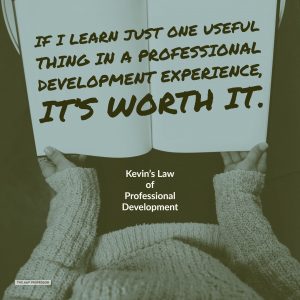
 Kevin's Law


12 | Workshop Days

9 minutes
  • Listen to what others are saying about hot topics, great presenters, cool demos, and other info before making your final choices.
  • Have a backup choice (or two) in case of cancellations or full workshops.
  • Kevin's workshop at the 2019 HAPS Annual Conference
    • Running Concept Lists: A Simple Strategy to Identify, Connect, and Apply Core Concepts of Anatomy & Physiology
    • Sunday May 26, Workshop B505, Room: Shiley (Hall) 319

13 | Mindi Calls In

2 minutes
Mindi Fried (Southern Vermont College) gives her perspective as a former first-timer looking forward to her second-timer experience at HAPS 2019.


14 | Other Stuff at the Meeting

5.5 minutes
  • Often, there are HAPS Institute (HAPS-I) courses available at the HAPS Annual Conference
  • Committee meetings
  • Field trips are often available (get on the mailing list, as slots do sometimes open)
  • Attendance prizes at the end of the second update day

15 | Another Musical Interlude

5 minutes
NOTE: this segment is only available in the YouTube version of this episode, available at youtu.be/G96bB_-5sQQ
Greg Crowther, A&P professor and musician/composer shares another song: Myofibrils.
  • This parody (written by Greg Crowther) is sung to the tune of "My Sharona" (written by Doug Fieger and Burton Averre and performed by The Knack).
    • This song outlines the molecular mechanisms by which muscle cells contract. The major players include calcium, troponin, tropomyosin, actin, and myosin.
    • Lyrics, lesson plan, study questions, mp3 audio file, and music video are available at https://my-ap.us/2VXNfrqyoutu.be/GC_CUfLP6Pc
  • Access Greg's music (lyrics to use with familiar melodies, original songs, audio files, sheet music, including some lesson plans & worksheets) to use in your A&P course.
  • Finding Media | Images and More for Teaching Anatomy & Physiology (list of media resources for teaching A&P; includes Greg's sources)

16 | After the Conference

3 minutes
Connect to The A&P Professor podcast so that you don't miss any episodes!
pocket briefcase
If the hyperlinks here are not active, go to TAPPradio.org to find the episode page.

Sponsors
Transcript and captions for this episode
are supported by the 
also provides marketing support for this podcast. 
Distribution of this episode is supported by 
NYCC's online graduate program in 
Amazon and TextExpander referrals help defray podcasting expenses. 
(Clicking on sponsor links 
helps let them know you appreciate
their support of this podcast!)
Follow The A&P Professor on  Twitter, Facebook, Blogger, Nuzzel, Tumblr, or Instagram!


Click here to listen to this episode—or access the detailed notes and transcript.

Thursday, April 18, 2019

Episode 42 Intro | TAPP Radio Preview


Host Kevin Patton previews the content of the upcoming full episode, a longer bonus episode, on the upcoming HAPS Annual Conference in Portland OR.
Kevin's Unofficial Guide to the HAPS Annual Conference
There's more... some word dissections, and a recommendation from The A&P Professor Book Club.

If you cannot see or activate the audio player click here.

Questions & Feedback: 1-833-LION-DEN (1-833-546-6336)

Follow The A&P Professor on Twitter, Facebook, Blogger, Nuzzel, Tumblr, or Instagram!

Topics
1 minute
The next episode is an updated, expanded, new-and-improved version of Kevin's Unofficial Guide to the HAPS Annual Conference. It gives advice and insights useful for first-timers, several-timers, and many-timers. Plus singing and dancing.
Word Dissections
5 minutes
Book Club
3.5 minutes

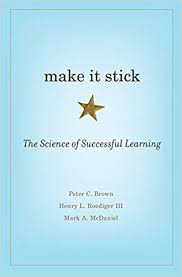
Make It Stick
If the hyperlinks here are not active, go to TAPPradio.org to find the episode page.

Sponsors
Transcript and captions for this episode
are supported by the 
also provides marketing support for this podcast. 
Distribution of this episode is supported by 
NYCC's online graduate program in 
Amazon and TextExpander referrals help defray podcasting expenses. 
(Clicking on sponsor links 
helps let them know you appreciate
their support of this podcast!)
Follow The A&P Professor on  Twitter, Facebook, Blogger, Nuzzel, Tumblr, or Instagram!

Click here to listen to this episode—or access the detailed notes and transcript.

Monday, April 8, 2019

More on Eponyms in A&P Terminology | Episode 41


00:40 | Adult Brain Neurogenesis
05:36 | Sponsored by HAPS
06:17 | Finding Media for Teaching A&P | Adam Rich
10:42 | Sponsored by AAA
11:21 | Eponyms Again! | Mike Pascoe
27:58 |  Sponsored by HAPI Online Graduate Program
28:39 | Personal Names and Pronouns

If you cannot see or activate the audio player click here.

Questions & Feedback: 1-833-LION-DEN (1-833-546-6336)

Follow The A&P Professor on Twitter, Facebook, Blogger, Nuzzel, Tumblr, or Instagram!

The sweetest sound in the world is the person's own name.(Dale Carnegie)

1 | Adult Brain Neurogenesis

5 minutes
A recurring topic in this podcast, here's some recent evidence for adult neurogenesis in the brain.

2 | Sponsored by HAPS

0.5 minute
The Human Anatomy & Physiology Society (HAPS) is a sponsor of this podcast. Did you know there's a one-day regional HAPS conference in March? Check it out. You can help appreciate their support by clicking the link below and checking out the many resources and benefits found there.

 HAPS logo


3 | Finding Media for Teaching A&P

4.5 minutes
Adam Rich sparks another look at Barbara Waxer's advice in Episode 28 about finding and using media in our teaching. Barbara's "bonus" list of collections has now been added to a new page at The A&P Professor website. And you are asked to contribute!

 Episode 28


4 | Sponsored by AAA

1 minute
The searchable transcript for this episode, as well as the captioned audiogram of this episode, are sponsored by The American Association of Anatomists (AAA) at anatomy.org. Their big meeting is in April at the Experimental Biology (EB) meeting in Orlando FL. Check it out!
 American Association of Anatomists

5 | Eponyms Again!

16.5 minutes
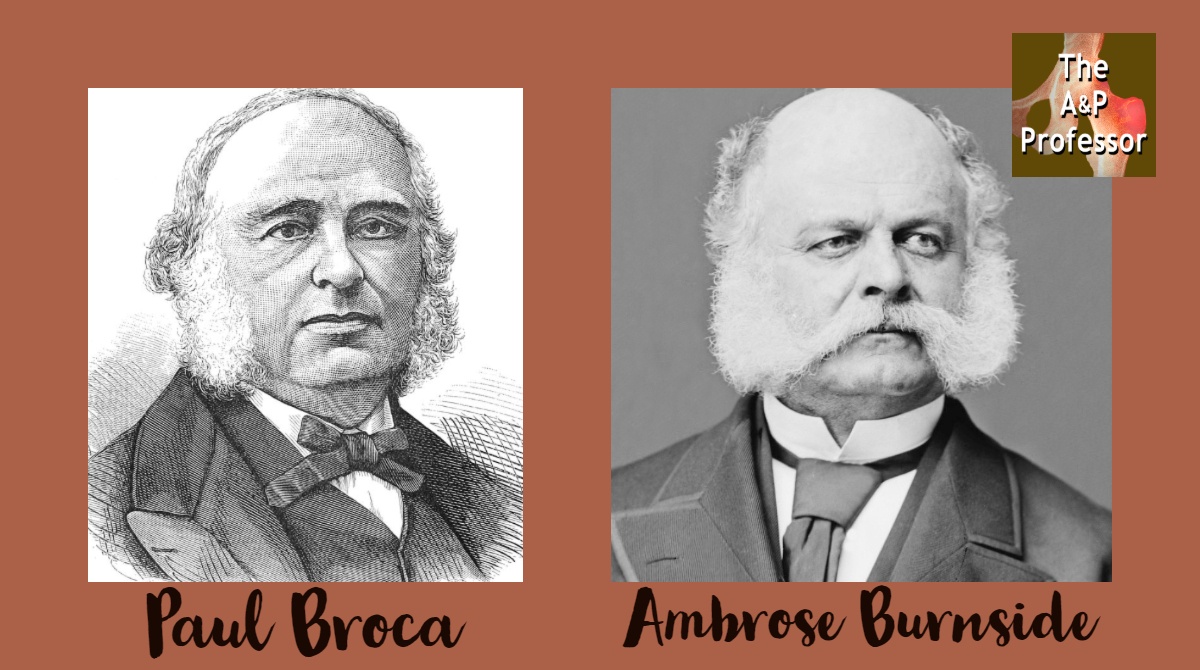
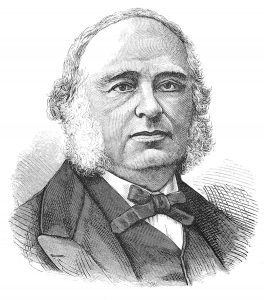
After recalling that in the previous episode, Kevin forgot that when discussing Broca's massive sideburns, he could have mentioned that the term "sideburn" is itself an eponym. Then Mike Pascoe calls in with a tip and triggers additional conversation about how to handle eponyms in our teaching.
 sideburns

6 | Sponsored by HAPI Online Graduate Program

0.5 minutes
The Master of Science in Human Anatomy & Physiology Instruction—the MS-HAPI—is graduate program for A&P teachers. A combination of science courses (enough to qualify you to teach at the college level) and courses in instructional practice, this program helps you power up  your teaching. Kevin Patton is a faculty member in this program. Check it out!
 NYCC Human Anatomy and Physiology Instruction

7 | Personal Names and Pronouns

4 minutes
Learning, using, and properly pronouncing students names is worth the effort to connect with learners personally and build mutual trust and respect. Likewise, introducing our own preferred gender pronouns opens the door for including the personal pronoun preference of student (should that be important to them) and can help connect with our students in ways that improve the learning environment.
class

If the hyperlinks here are not active, go to TAPPradio.org to find the episode page.

Sponsors
Transcript and captions for this episode
are supported by the 
also provides marketing support for this podcast. 
Distribution of this episode is supported by 
NYCC's online graduate program in 
Amazon and TextExpander referrals help defray podcasting expenses. 
(Clicking on sponsor links 
helps let them know you appreciate
their support of this podcast!)
Follow The A&P Professor on  Twitter, Facebook, Blogger, Nuzzel, Tumblr, or Instagram!


Click here to listen to this episode—or access the detailed notes and transcript.

Friday, April 5, 2019

Episode 41 Intro | TAPP Radio Preview


Host Kevin Patton previews the content of the upcoming full episode, which features a follow-up discussion of eponyms in scientific terminology from the previous full episode.

Eponyms Follow-Up

There's more... some word dissections, and a recommendation from The A&P Professor Book Club.


If you cannot see or activate the audio player click here.

Questions & Feedback: 1-833-LION-DEN (1-833-546-6336)

Follow The A&P Professor on Twitter, Facebook, Blogger, Nuzzel, Tumblr, or Instagram!


Topics

1 minute

Looks like we're revisiting some topics from earlier episodes.

  • Update on growing new neurons in the adult brain
  • Update on finding media to use in teaching A&P (sparked by a question from listener Adam Rich)
  • More on eponyms, a follow-up discussion featuring a contribution from Mike Pascoe
  • Student names. They're important.

Word Dissections

4.5 minutes

  • Duodenum
  • Hippocampus

Book Club

3.5 minutes

book cover

If the hyperlinks here are not active, go to TAPPradio.org to find the episode page.


Sponsors
 
Transcript and captions for this episode
are supported by the 
 
 
also provides marketing support for this podcast. 
 
 
Distribution of this episode is supported by 
NYCC's online graduate program in 
 
Amazon and TextExpander referrals help defray podcasting expenses. 
(Clicking on sponsor links 
helps let them know you appreciate
their support of this podcast!)
 
Follow The A&P Professor on  Twitter, Facebook, Blogger, Nuzzel, Tumblr, or Instagram!


Click here to listen to this episode—or access the detailed notes and transcript.

Monday, March 25, 2019

The Eponym Episode | Using Modern Terminology | Episode 40


00:43 | What is an Eponym?
06:16 | Sponsored by HAPS
06:57 | Modern Use of Eponyms
16:26 | Sponsored by AAA
17:16 | Another Problem with Eponyms
22:01 |  Sponsored by HAPI Online Graduate Program
22:34 | How to Deal with Eponyms in Our A&P Course

If you cannot see or activate the audio player click here.

Questions & Feedback: 1-833-LION-DEN (1-833-546-6336)

Follow The A&P Professor on Twitter, Facebook, Blogger, Nuzzel, Tumblr, or Instagram!


The least questioned assumptions are often the most questionable. (Pierre Paul Broca)


1 | What is an Eponym?

5.5 minutes

An eponym is a term named after a person. A toponym is named for a place.

 Paul Broca


2 | Sponsored by HAPS

0.5 minute

The Human Anatomy & Physiology Society (HAPS) is a sponsor of this podcast. Did you know there's a one-day regional HAPS conference in March? Check it out. You can help appreciate their support by clicking the link below and checking out the many resources and benefits found there.

Anatomy & Physiology Society 

theAPprofessor.org/haps

 HAPS logo


3 | Modern Use of Eponyms

9.5 minutes

Eponyms are going out of fashion. For some very good reasons. When we do use them, there are some common practices that A&P teachers should pay attention to.

  • This segment features Seven Fashion Tips for Stylish Use of Eponyms
    • Avoid eponyms
    • Be bilingual
    • If you have to use an eponym, do
    • Fashionable non-possessive forms
    • Back-door eponym styles (non-capitalized adjectives)
    • Fashion rules are not really rules
    • OK, sometimes fashion rules really are rules
  • Modern Use of Eponyms (Kevin's blog post, includes those 7 fashion tips and links to other resources!) my-ap.us/2ubbqWI
  • What's Up with Eponyms in A&P? Part 1 (Kevin's blog post) my-ap.us/2UNrCcS
  • International Lists: A Practical Approach for Your A&P Course (resource in The A&P Professor website with links to the international lists of anatomical terminology) my-ap.us/2uw6jBu
  • Patton Glacier (yep, it's a real thing) my-ap.us/2UR9mzih

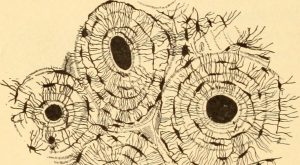
 osteons


4 | Sponsored by AAA

1 minute

The searchable transcript for this episode, as well as the captioned audiogram of this episode, are sponsored by The American Association of Anatomists (AAA) at anatomy.org. Their big meeting is in April at the Experimental Biology (EB) meeting in Orlando FL. Check it out!

 American Association of Anatomists


5 | Another Problem with Eponyms

4.5 minutes

There are some historical and social controversies surrounding many eponyms. This begs the question: why should we continue to use them?

 puzzle


6 | Sponsored by HAPI Online Graduate Program

0.5 minutes

The Master of Science in Human Anatomy & Physiology Instruction—the MS-HAPI—is graduate program for A&P teachers. A combination of science courses (enough to qualify you to teach at the college level) and courses in instructional practice, this program helps you power up  your teaching. Kevin Patton is a faculty member in this program. Check it out!

nycc.edu/hapi

 NYCC Human Anatomy and Physiology Instruction


7 | How to Deal with Eponyms in Our A&P Course

3.5 minutes

Eponyms may be best left behind, but sometimes we can't avoid them. How do we emphasize the pitfalls of eponym use with students who will certainly face the lingering use of them in professional settings? Perhaps the best approach is bilingualism (descriptive terms AND eponyms).

 woman with scarf over eyes


If the hyperlinks here are not active, go to TAPPradio.org to find the episode page.


Sponsors
 
Transcript and captions for this episode
are supported by the 
 
 
also provides marketing support for this podcast. 
 
 
Distribution of this episode is supported by 
NYCC's online graduate program in 
 
Amazon and TextExpander referrals help defray podcasting expenses. 
(Clicking on sponsor links 
helps let them know you appreciate
their support of this podcast!)
 
Follow The A&P Professor on  Twitter, Facebook, Blogger, Nuzzel, Tumblr, or Instagram!


Click here to listen to this episode—or access the detailed notes and transcript.

Friday, March 22, 2019

Episode 40 Intro | TAPP Radio Preview


Host Kevin Patton previews the content of the upcoming full episode, which features a discussion of eponyms in scientific terminology.

 osteons

There's more... some word dissections, and a recommendation from The A&P Professor Book Club.


If you cannot see or activate the audio player click here.

Questions & Feedback: 1-833-LION-DEN (1-833-546-6336)

Follow The A&P Professor on Twitter, Facebook, Blogger, Nuzzel, Tumblr, or Instagram!


Topic

.5 minute

  • All about eponyms: the good, the bad, and the ugly
  • What are eponyms?
  • Why are they going out of style?

Word Dissections

3.5 minutes

  • Eponym
    • Loop of Henle
  • haversian canal
    • Clopton Havers
  • Toponym
    • Lyme disease

Book Club

3 minutes

book cover

If the hyperlinks here are not active, go to TAPPradio.org to find the episode page.

 
Sponsors
 
Transcript and captions for this episode
are supported by the 
 
 
also provides marketing support for this podcast. 
 
 
Distribution of this episode is supported by 
NYCC's online graduate program in 
 
Amazon and TextExpander referrals help defray podcasting expenses. 
(Clicking on sponsor links 
helps let them know you appreciate
their support of this podcast!)
 

Follow The A&P Professor on 
Twitter
, Facebook, Blogger, Nuzzel, Tumblr, or Instagram!


Click here to listen to this episode—or access the detailed notes and transcript.

Monday, March 11, 2019

Language of Muscles: A Strategy for Learning | Episode 39


00:51 | Cerebellum Functions
06:28 | Sponsored by HAPS
06:52 | Liver Responds to Food Stimuli
09:06 | Sponsored by AAA
09:26 | Exercise, Diet, Metabolism, & Body Weight
17:29 | Sponsored by HAPI Online Graduate Program
17:58 | Featured: Language of Muscles: A Strategy for Learning


If you cannot see or activate the audio player click here.

Questions & Feedback: 1-833-LION-DEN (1-833-546-6336)

Follow The A&P Professor on Twitter, Facebook, Blogger, Nuzzel, Tumblr, or Instagram!


If you've got a big gut and you start doing sit-ups, you are going to get bigger because you build up the muscle. You've got to get rid of that fat! How do you get rid of fat? By changing your diet. (Jack LaLanne)


1 | Cerebellum Functions

5.5 minutes

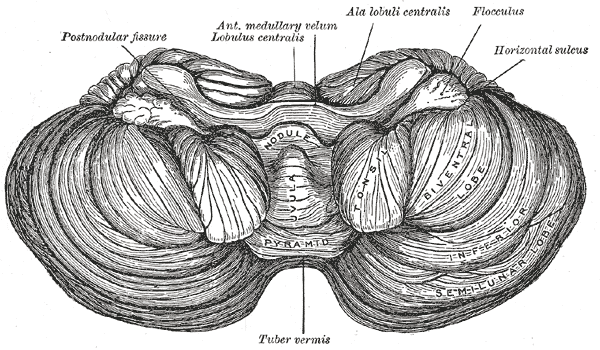
The cerebellum is well known for planning and coordination of motor programs. But there's more to it!

  • The Cerebellum Is Your "Little Brain"—and It Does Some Pretty Big Things (article from Scientific American) my-ap.us/2UrcmCg
  • Making Moves and Memories: Are They Connected? (summary article) my-ap.us/2UsHscJ
  • A cortico-cerebellar loop for motor planning (research article) my-ap.us/2UsHtNP
  • Functional topography in the human cerebellum: A meta-analysis of neuroimaging studies (research article) my-ap.us/2UB3mKM
  • Cerebellar modulation of the reward circuitry and social behavior (research article) my-ap.us/2UB3nyk
  • Short latency cerebellar modulation of the basal ganglia (research article) my-ap.us/2UsXJP3
  • The cerebellum gets social (commentary in Science) my-ap.us/2UsXKT7
  • The Role of the Cerebellum in Cognitive and Affective Processes (online reference module) my-ap.us/2UsCVab
  • The Somatic Nervous System (online reference module) my-ap.us/2UwiitO

 cerebellum


2 | Sponsored by HAPS

0.5 minute

The Human Anatomy & Physiology Society (HAPS) is a sponsor of this podcast. Did you know there's a one-day regional HAPS conference in March? Check it out. You can help appreciate their support by clicking the link below and checking out the many resources and benefits found there.

Anatomy & Physiology Society 

theAPprofessor.org/haps

HAPS logo


3 | Liver Anticipates Food

2 minutes

We know that digestive organs respond to anticipation of food—as if food really is going to be ingested and swallowed. New research suggests that the sight of a donut (for example) can get our hepatic cells to start revving up for the storage and processing of nutrients during the absorptive state.

  • POMC is short for proopiomelanocortin
  • The role of proopiomelanocortin (POMC) neurones in feeding behaviour (review article) my-ap.us/2UqukVn
  • Just the Sight of Food Gets the Liver Ready for Action (summary article) my-ap.us/2UvyjAi
  • Food Perception Primes Hepatic ER Homeostasis via Melanocortin-Dependent Control of mTOR Activation (research article) my-ap.us/2UtU7ML

 donuts


4 | Sponsored by AAA

0.5 minutes

The searchable transcript for this episode, as well as the captioned audiogram of this episode, are sponsored by The American Association of Anatomists (AAA) at anatomy.org. Their big meeting is in April at the Experimental Biology (EB) meeting in Orlando FL. Check it out!

 American Association of Anatomists


5 | What Do We Really Know About Exercise, Diet, Metabolism, & Body Weight?

8 minutes

The science of exercise, diet, metabolism, and body weight—and what is healthy and what is not—is far from being worked out. Sometimes, the simplest principles that we believe to be true, aren't really. A of research seems to conflict, which means we have much more work to do, eh?

If you are fan of stories without a satisfying ending and conflicting subplots, follow the [whole grain] bread crumbs here:

  • Why doing more exercise won't help you burn more calories (summary article) my-ap.us/2UvbkFv
  • No sweat: The smart guide to exercise (summary article) my-ap.us/2UvLlxw
  • Hunter-Gatherer Energetics and Human Obesity (research article) my-ap.us/2UxlGog
  • Constrained Total Energy Expenditure and Metabolic Adaptation to Physical Activity in Adult Humans. (research article) my-ap.us/2UuYAi3
  • Is there spontaneous energy expenditure compensation in response to intensive exercise in obese youth? (research article) my-ap.us/2UsT53j
  • The workout pill: Why exercise is the best medicine (summary article points out exercise benefits other than weight control) my-ap.us/2UtGtcf
  • Persistent metabolic adaptation 6 years after “The Biggest Loser” competition (research article) my-ap.us/2UAvTR3
  • Do skinny people have faster metabolisms? Not really (summary article) my-ap.us/2Uu0WxR
  • Non-exercise activity thermogenesis (NEAT). (descriptive article) my-ap.us/2UvL91w
  • Slim people have a genetic advantage when it comes to maintaining their weight (summary article) my-ap.us/2UvPxxc
  • Genetic architecture of human thinness compared to severe obesity (research article) my-ap.us/2UpkWS2
  • Top 10 Reasons Why The BMI Is Bogus (summary article) my-ap.us/2UAwdzf
  • The Health Risk of Obesity—Better Metrics Imperative (perspective article in Science) my-ap.us/2UvLkKe
  • Association of Body Mass Index With Lifetime Risk of Cardiovascular Disease and Compression of Morbidity (research article) my-ap.us/2UpNATe
  • Is the doughnut diet too good to be true? (umm...) my-ap.us/2UtRyKz

 running


6 | Sponsored by HAPI Online Graduate Program

0.5 minutes

The Master of Science in Human Anatomy & Physiology Instruction—the MS-HAPI—is graduate program for A&P teachers. A combination of science courses (enough to qualify you to teach at the college level) and courses in instructional practice, this program helps you power up  your teaching. Kevin Patton is a faculty member in this program. Check it out!

nycc.edu/hapi

 NYCC Human Anatomy and Physiology Instruction


7 | Featured: Language of Muscles: A Strategy for Learning

17 minutes

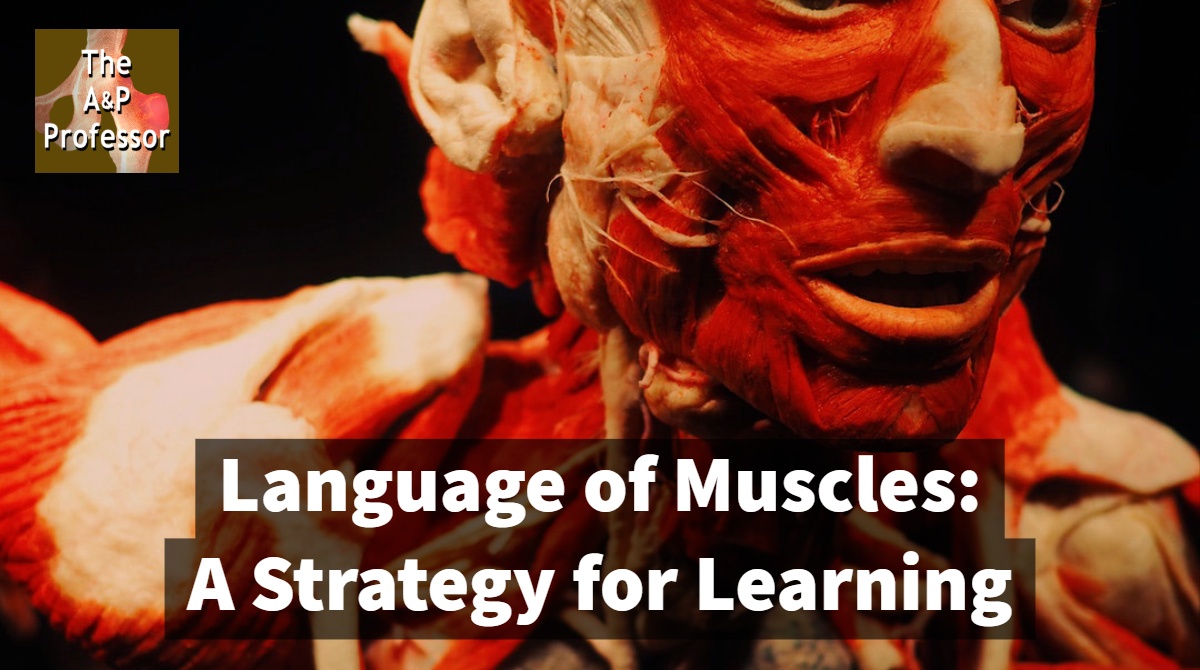
Learning the major muscles of the body can be intimidating for students. But if they understand from the start that those unusual names are more than a tongue-twisting combination of syllables—that they actually have meaning—they can use muscle names as mnemonic aids to learning. Muscle names can help students remember muscles by reminding them of the muscle's location, function, shape, size, and/or other characteristics.

language of muscles

If the hyperlinks here are not active, go to TAPPradio.org to find the episode page.

 
Sponsors
 
Transcript and captions for this episode
are supported by the 
 
 
also provides marketing support for this podcast. 
 
 
Distribution of this episode is supported by 
NYCC's online graduate program in 
 
Amazon and TextExpander referrals help defray podcasting expenses. 
(Clicking on sponsor links 
helps let them know you appreciate
their support of this podcast!)
 

Follow The A&P Professor on 
Twitter
, Facebook, Blogger, Nuzzel, Tumblr, or Instagram!


Click here to listen to this episode—or access the detailed notes and transcript.

Friday, March 8, 2019

Episode 39 Intro | TAPP Radio Preview


Host Kevin Patton previews the content of the upcoming full episode, which features a discussion of how paying attention to the meaning of muscle names can help in teaching and learning A&P. 

language of muscles

There's more... a website note,  word dissections, and a recommendation from The A&P Professor Book Club.


If you cannot see or activate the audio player click here.

Questions & Feedback: 1-833-LION-DEN (1-833-546-6336)

Follow The A&P Professor on Twitter, Facebook, Blogger, Nuzzel, Tumblr, or Instagram!


Topics

.5 minute

  • Functions of the cerebellum
  • Liver responses when we see food
  • Exercise's effect on body weight
  • Language of Muscles: A Strategy for Learning

Website Hiccups

1 minute

Apologies! Kevin's two websites, theAPprofessor.org and lionden.com are having some technical issues that may occassionally mess up page layout or generate odd error messages. It's being worked on!

Word Dissections

8 minutes

  • Cerebellum
    • Cerebrum
  • Muscle
    • Musculus
    • Musculi
  • Tendon
  • Anglicize

Book Club

8.5 minutes


If the hyperlinks here are not active, go to TAPPradio.org to find the episode page.

 
Sponsors
 
Transcript and captions for this episode
are supported by the
 
 
also provides marketing support for this podcast.
 
 
Distribution of this episode is supported by
NYCC's online graduate program in
 
Amazon and TextExpander referrals help defray podcasting expenses.
(Clicking on sponsor links 
helps let them know you appreciate
their support of this podcast!)
 

Click here to listen to this episode—or access the detailed notes and transcript.

Monday, February 25, 2019

Mid-Semester Check-Ins Keep Your A&P Course on Track | Episode 38


00:45 | Sperm Speed
02:48 | Sponsored by HAPS
03:32 | Hematopoiesis in the Gut
07:04 | Sponsored by AAA
07:22 | Swallow Legos Much?
10:41 | New Sponsor: MS-HAPI Program
15:23 | Featured: Mid-Semester Check-Ins Keep Your A&P Course on Track

If you cannot see or activate the audio player click here.

Questions & Feedback: 1-833-LION-DEN (1-833-546-6336)

Follow The A&P Professor on Twitter, Facebook, Blogger, Nuzzel, Tumblr, or Instagram!


Vulnerability sounds like truth and feels like courage. Truth and courage aren't always comfortable, but they're never weakness. (Brené Brown)


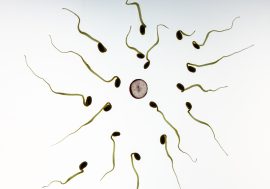
1 | Sperm Speed

2 minutes

We know that some sperm are fast and some are slow. And it seems that if the sperm are generally pretty slow, that may reduce fertility. Now we have a clue why that may be so.

  • Slow sperm may fail at crashing ‘gates’ on their way to an egg (brief summary; includes video) my-ap.us/2BP9yb0
  • Strictures of a microchannel impose fierce competition to select for highly motile sperm (research article) my-ap.us/2BLNi1J

 sperm


2 | Sponsored by HAPS

0.5 minute

The Human Anatomy & Physiology Society (HAPS) is a sponsor of this podcast. Did you know there's a one-day regional HAPS conference in March? Check it out. You can help appreciate their support by clicking the link below and checking out the many resources and benefits found there.

Anatomy & Physiology Society 

theAPprofessor.org/haps

 HAPS logo


3 | Hematopoiesis in the Gut

3.5 minutes

In Episode 37, I mentioned the "reserve hematopoiesis" in bone marrow. New information shows that significant hematopoiesis occurs in the adult intestine. In an allograft of intestinal tissue, as may occur in patients with a GI disorder, donor stem cells and progenitor cells produce white blood cells that circulate in the recipient's blood stream.

  • Some blood cells have a surprising source—your gut (brief summary) my-ap.us/2BMjEsZ
  • Human Intestinal Allografts Contain Functional Hematopoietic Stem and Progenitor Cells that Are Maintained by a Circulating Pool (research article) my-ap.us/2BMr8vY

 hematopoietic stem cell


4 | Sponsored by AAA

0.5 minutes

The searchable transcript for this episode, as well as the captioned audiogram of this episode, are sponsored by The American Association of Anatomists (AAA) at anatomy.org. Their big meeting is in April at the Experimental Biology (EB) meeting in Orlando FL. Check it out!

 American Association of Anatomists


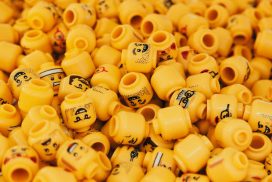
5 | What Happens When You Swallow a Lego?

3.5 minutes

How long does it take for a Lego piece to travel through the alimentary canal? The answer is in—er, I mean out.

And learn about the Stool Hardness and Transit (SHAT) score and the all-important Found-and-Retrieved Time (FART) score.  That alone is worth the price you paid to listen to this episode.

  • Study reveals how long it takes for LEGO head to pass through adult human digestive tract (brief summary) my-ap.us/2BGZ4dF
  • Everything is awesome: Don't forget the Lego (research article) my-ap.us/2BMjGB7

 lego heads


6 | New Sponsor! MS-HAPI Graduate Program in A&P

4.5 minutes

The Master of Science in Human Anatomy & Physiology Instruction—the MS-HAPI—is graduate program for A&P teachers. A combination of science courses (enough to qualify you to teach at the college level) and courses in instructional practice, this program helps you power up  your teaching. Kevin Patton is a faculty member in this program. Check it out!

nycc.edu/hapi

 NYCC Human Anatomy and Physiology Instruction


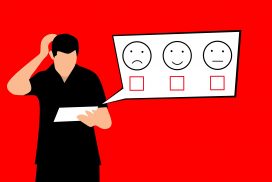
7 | Featured: Mid-Semester Check-Ins Keep Your A&P Course on Track

25.5 minutes

A recent conversation with Krista Rompolski brought up her practice of a mid-semester student survey. Why does she do that? Find out in this episode that focuses on ways to "take the temperature" of your course while there's still time to fix anything that needs fixing.

survey

If the hyperlinks here are not active, go to TAPPradio.org to find the episode page.


Transcript and captions for this episode
are supported by the
American Association of Anatomists.
anatomy.org


The Human Anatomy & Physiology Society
provides marketing support for this podcast.
theAPprofessor.org/haps

NYCC's online graduate program in
Human Anatomy & Physiology Instruction (HAPI)
supports distribution of this podcast free to all users.
nycc.ed/hapi

Amazon and TextExpander referrals also help defray podcasting expenses.

(Clicking on sponsor links helps let them know you appreciate
their support of this podcast!)


Click here to listen to this episode—or access the detailed notes and transcript.